



A routine inspection should leave you knowing exactly how your property is doing. If your letting agent’s reports arrive weeks late, have no photos, or list the same problems visit after visit with nothing fixed, you’re paying for a visit and getting very little back.
Scottish law doesn’t set a fixed timetable for routine inspections. Quarterly, six-monthly and annual visits can all be right in different circumstances. What matters is that the frequency is reasonable, each visit has a clear purpose, and anything found is recorded and acted on.
How often should a rental property be inspected?
There’s no statutory rule requiring an inspection every three, six or twelve months. A sensible schedule gives you enough visibility of the property without putting your tenant through unnecessary visits.
An early visit a few months into a new tenancy is often useful, once the tenant has settled in and noticed any teething problems. After that, the schedule can follow the condition of the property and what earlier reports have shown.
More frequent visits may make sense where there’s:
- a recent refurbishment or installation that needs monitoring;
- a history of leaks, condensation, damp or ventilation problems;
- an older building that needs closer maintenance;
- outstanding repairs that need following up;
- a concern about landlord-provided fixtures or appliances;
- a requirement in your insurance policy, management agreement or property licence.
A well-kept flat with a settled tenant and no open repairs won’t need the same attention as one with recurring water ingress. The real test is whether you have reliable, up-to-date information about your property, however long it’s been since the last visit.
Notice and access, in brief
For a private residential tenancy, your tenant should get at least 48 hours’ written notice explaining why the visit is needed. Notice on its own isn’t permission to let yourself in. Access should be agreed, except in a genuine emergency. Our guide to landlord right of entry in Scotland covers notice periods, emergencies and what to do if a tenant refuses.
Letting agents have an extra duty under the Letting Agent Code of Practice. They must tell the tenant the reason for a visit, and the tenant should be present unless something else has been agreed.
What an inspection is for
A routine inspection is mainly about spotting repair, safety and maintenance issues early, while they’re still small and cheaper to fix. It’s also a chance to confirm whether work is needed and check that earlier repairs have held up.
It isn’t a check on how your tenant lives. Everyday untidiness is different from damage or a problem affecting the property, and personal belongings shouldn’t be searched or moved without a genuine reason. Viewings for new tenants or buyers need to be agreed separately and can’t be added to an inspection notice.
A practical inspection checklist
A good inspection follows the same structure every time, so nothing gets missed and reports can be compared from one visit to the next.
Water, damp and ventilation
- Look for staining, mould, condensation and damaged decoration around windows, ceilings and external walls.
- Check under sinks, around baths and showers, behind accessible appliances and near tanks or boilers for signs of leaks.
- Make sure extractor fans and vents are working and haven’t been blocked.
- Ask your tenant about leaks that come and go, slow drains, or rooms that are hard to heat or air.
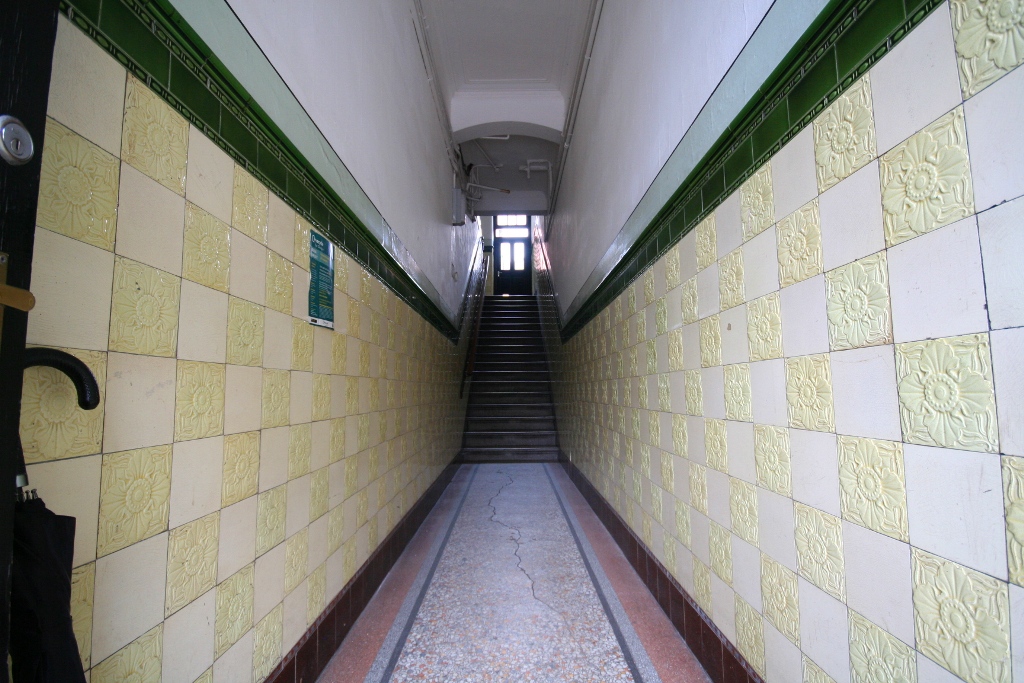
In a Glasgow tenement, staining inside a flat may come from the roof, a gutter, a downpipe, a chimney or another common part of the building. Recording exactly where it is makes things much clearer when the factor and other owners get involved. Tenants can also use our guide to reporting damp and mould in a rented home.
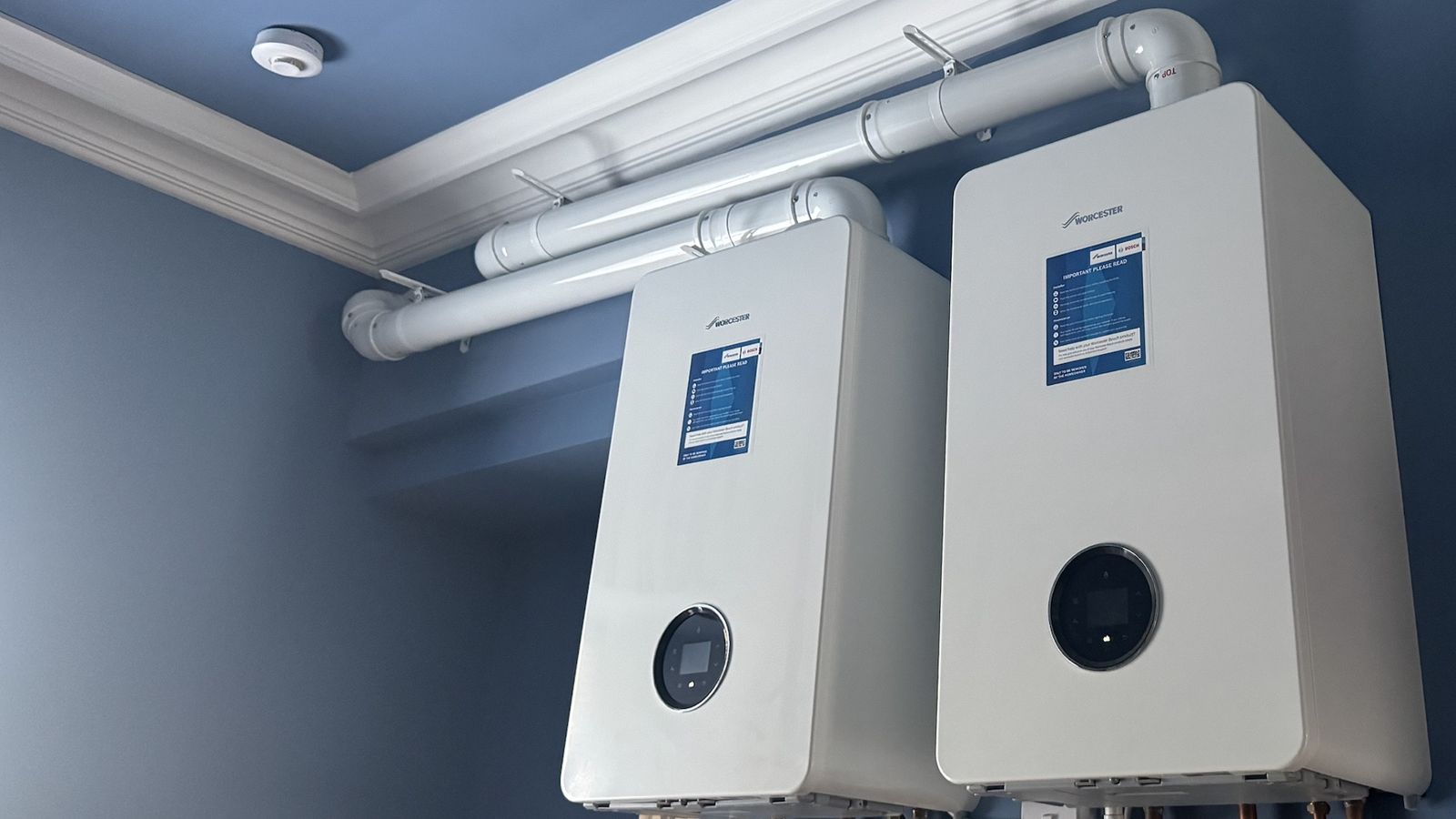
Heating, electricity and fire safety
- Ask whether the heating and hot water are working reliably.
- Look for visible damage to sockets, switches, cables and landlord-provided electrical items.
- Check that smoke, heat and carbon monoxide alarms are still in place and undamaged.
- Note any warning lights, unusual noises or faults your tenant mentions.
A routine visit doesn’t replace the formal gas, electrical and other safety checks. Those still need to happen on time, and the property must keep meeting the Repairing Standard. Our guide to what the Repairing Standard requires explains more.
Fixtures, fittings and building condition
- Inspect windows, doors, locks and seals for damage or wear.
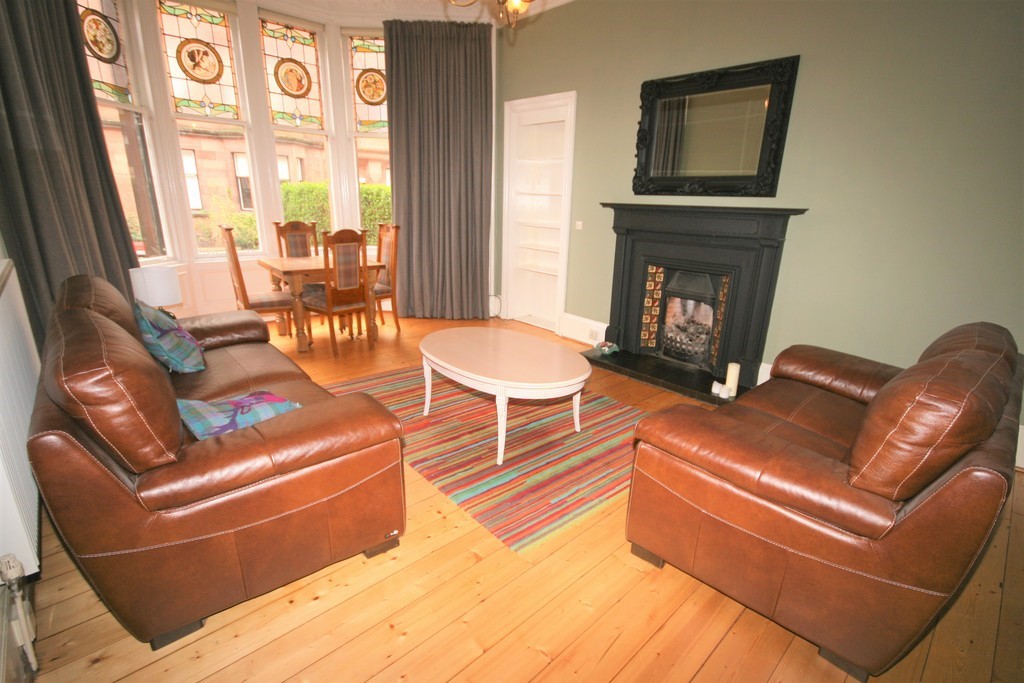
- Look at floors, walls, ceilings and landlord-provided furniture for changes beyond normal use.
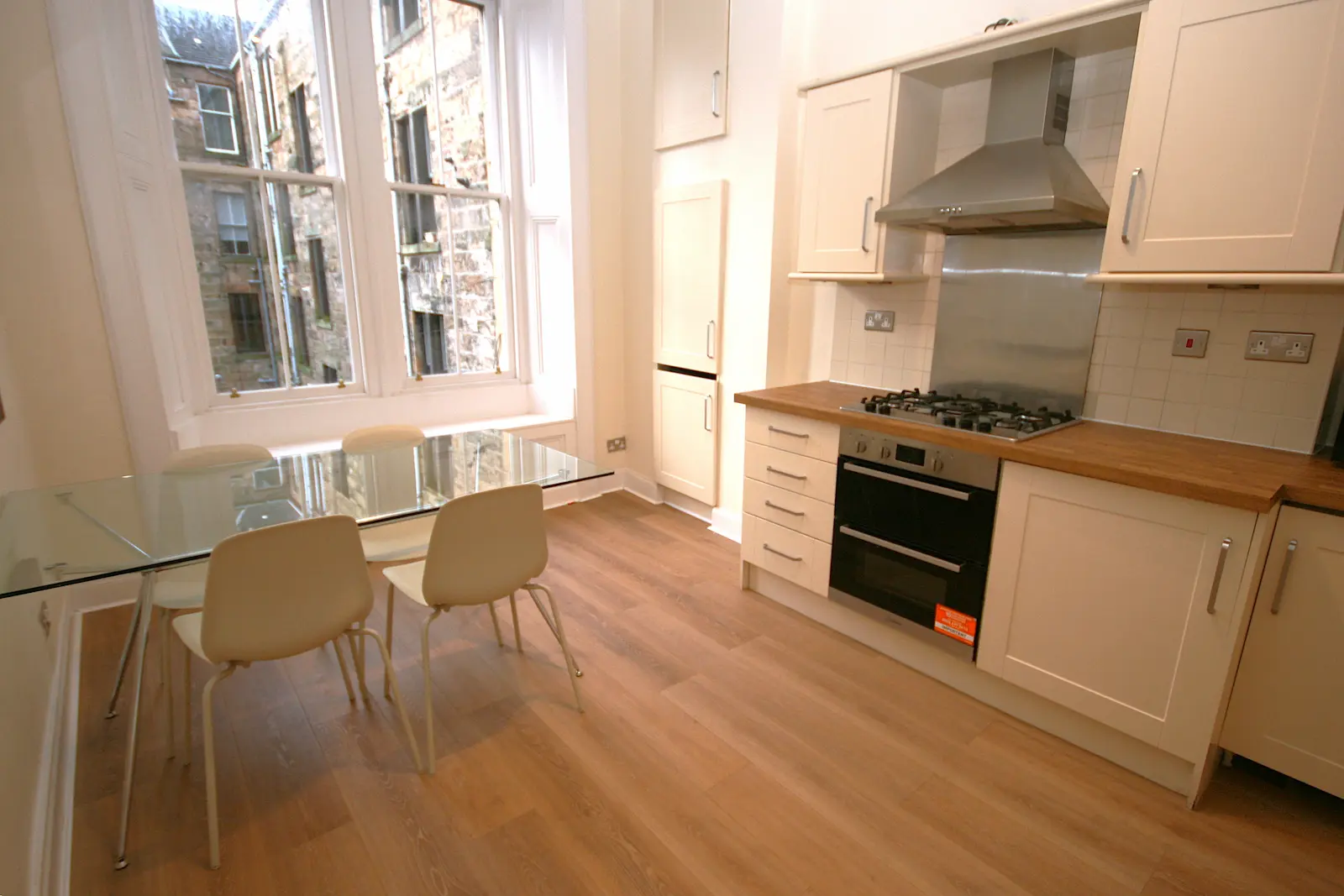
- Check kitchen and bathroom fittings, sealant and visible pipework.
- Ask about problems in the close, roof space, garden or other shared areas that affect the tenancy.
Your tenant will often know about problems that can’t be seen on the day. A sticking window, a boiler that cuts out now and then, or a leak that only appears in heavy rain can easily be missed without a proper conversation during the visit.
Photos and tenant sign-off
Photos give you a record of the property’s condition over time, and they’re the easiest way to spot slow changes like spreading damp or a worsening leak. Tell your tenant in advance that photos will be taken and why.
Keep them focused on the property, your contents and any specific repair. Avoid capturing letters, medication, family photos or other personal items, and store the images securely.
Asking your tenant to acknowledge the finished report helps too. It gives them the chance to correct a mistake, add detail or mention a repair they’ve already reported, and it gives you a record both sides have seen.
What should happen after the inspection?
A report is only useful if it leads to action. Under the Letting Agent Code of Practice, an agent carrying out routine inspections must record any issues found and bring them to the attention of the landlord and tenant where appropriate.
A good report shows:
- the date of the visit and who attended;
- which rooms and areas were checked;
- the condition found and any concerns your tenant raised;
- photos where they help;
- what needs doing and who is arranging it;
- any target date, or whether a contractor, the factor or a specialist is needed;
- whether a follow-up visit is needed.
Repairs should then be prioritised by risk. A scuffed wall can wait, but active water ingress, a failed boiler or an electrical fault can’t. Findings that sit in a report with nobody acting on them cause the same trouble as no inspection at all: the damage gets worse, and there’s no clear evidence of when it started. It’s one of the ways small management failures become expensive tenancy problems.
Signs your agent’s inspections aren’t working
- You don’t know when your property was last inspected.
- Reports arrive weeks after the visit, or only when you chase them.
- There are no photos, or the photos don’t show the problem described.
- The same issue appears on report after report with no repair arranged.
- You hear about problems from your tenant, the factor or a neighbour before you hear from your agent.
Any of these can happen once. If several sound familiar, your inspections aren’t doing their job, and that usually says something about how the rest of your property is being managed.
How we inspect the properties we manage
Our inspections are photographic and signed off by the tenant. Each report comes to you with any issues flagged and a clear next step, and anything that needs fixing is passed to our repairs team and followed through. Our day-to-day systems record every visit, finding and completed job, so you can see what’s happened without having to chase anyone.
If you’d like that standard for a property you already let, there’s no need to wait for the tenancy to end. Switching takes one email from you, using wording we give you, and we handle the handover while your tenant stays in their home. Read on to find out how switching letting agent works.
Frequently asked questions
How often should a landlord inspect a rental property in Scotland?
There’s no fixed legal timetable. Anywhere from quarterly to annually can be reasonable, depending on the property’s condition, any known issues and how settled the tenancy is.
How much notice is needed for an inspection?
At least 48 hours for a private residential tenancy, and 24 hours for an older assured or short assured tenancy. Access should still be agreed with your tenant.
Can photos be taken during an inspection?
Yes, as long as your tenant is told in advance and the photos focus on the property’s condition rather than personal belongings.
Can I switch letting agent without my tenant moving out?
Yes. The tenancy carries on as normal, and the new agent takes over the management, documents and deposit details from the old one.
This article reflects the general position in Scotland in October 2026 and isn’t legal advice. Individual tenancy terms and circumstances may differ.
Unhappy with your current letting agent?
Switch your tenanted property to Infiniti for 7% including VAT, keep your tenant, and get £250 cashback after 90 days of management. Give your current agent notice with one email, and we handle the move from there.