






If you let property in Scotland, the Repairing Standard is the benchmark your property is measured against. It’s the legal minimum condition a privately rented home has to meet, from the day the tenancy starts until it ends. It covers the building’s condition and everything you provide with it, plus safety, heating and access to the shared parts of a tenement. If a property falls short, the tenant can take it to a tribunal. The responsibility stays with you even when a letting agent manages the property.
What does the Repairing Standard cover?
The Scottish Government’s statutory guidance for private landlords has the full detail. In practice, it comes down to these areas:
- The building: structurally stable, wind and watertight, with no signs of rising damp and no substantive penetrating damp. That includes drains, gutters and external pipes.
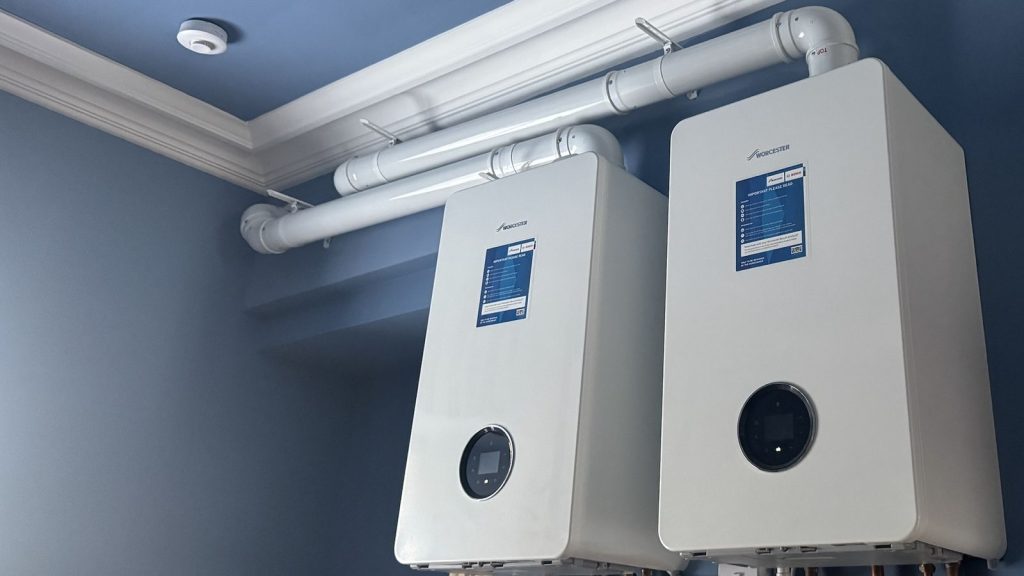
- Heating: a fixed heating system, required since 1 March 2024.
- Electrics: a safety inspection by a registered electrician at least once every five years, a residual current device (a switch that cuts the power automatically if there’s a fault), and regular checks on any appliances you supply.
- Gas: installed and maintained by a Gas Safe registered engineer and checked every year.
- Alarms: interlinked smoke alarms in the living room and every hallway and landing, a heat alarm in the kitchen, and a carbon monoxide detector wherever there’s a carbon-fuelled appliance such as a boiler.
- Kitchen: a suitable area for storing and preparing food, and cooking facilities or space for the tenant to install their own.
- What you provide: any fixtures, fittings and appliances you supply must be in a reasonable state of repair and working properly.
- Shared areas: tenants must be able to reach and use communal areas safely, and tenements need emergency exit doors that open from the inside without a key.
- Water safety: an assessment of the property for legionella risk.
The same standard applies to short-term lets too.
It’s a long list, and it has grown steadily over the years. If it feels like a lot to keep track of, you’re far from alone.
When does the duty apply?
From the day the tenancy starts, and for as long as it runs. The easiest time to put things right is before a tenant moves in, while the property is empty and work is simple to arrange.
During a tenancy, the duty to act is triggered when a problem is reported or you otherwise become aware of it. That’s why tenants need a clear way to report repairs, and why each report needs a record showing when it came in and what happened next.
What changes on 6 October 2026?
Damp and mould get fixed deadlines. From that date, landlords must investigate a report within 10 working days, give the tenant a written summary within three working days of finishing the investigation, and start any necessary repairs within five working days. If a case reaches a tribunal, it will look at whether those timescales were met.
We covered the detail in Scotland’s new damp and mould deadlines, and the government has published guidance for landlords on the new duties. It’s one of several changes Scottish landlords face in 2026 and 2027.
What happens if a property falls short?
A tenant who believes the home doesn’t meet the standard should tell the landlord and allow time for the repair. If nothing happens, they can apply to the First-tier Tribunal (Housing and Property Chamber). A tenant who feels vulnerable can ask the local council, which has powers to apply on their behalf.
If the tribunal agrees the standard isn’t being met, it can issue a Repairing Standard Enforcement Order requiring the work. Failing to carry it out without a reasonable excuse is a criminal offence, and the council can then do the work itself and recover the cost from the landlord. The tribunal can also make a rent relief order, reducing the rent by up to 90%, as the Housing and Property Chamber explains.
Where do landlords usually get caught out?
Very few of the problems we see come from landlords who don’t care. Almost all of them come from things quietly slipping.
Certificates that run out. The electrical inspection comes round every five years and the gas check every year. With no diary behind them, they drift past their dates without anyone noticing.
Appliances left in the flat. Anything you provide has to work, but you don’t have to provide appliances at all. If you’d rather not be responsible for an ageing tumble dryer, take it out before the tenancy starts.
The close. Door entry, stair lighting and exit doors belong to the whole building, but your tenant’s safe access to them is your responsibility. Getting other owners to agree to a repair takes time, which we explain in who handles common repairs in a Glasgow tenement.
Repairs reported informally. A text on a Saturday night is easy to lose. From October, for damp and mould, the date of that first report starts the clock.
Why well-run lets still perform
Compliance has become more demanding almost every year, and some landlords have chosen to sell. For those who stay, the market is in good shape. Citylets recorded an average advertised Glasgow rent of £1,211 a month in the second quarter of 2026, up 1.0% on the year, with properties taking 28 days to let on average and around two thirds letting within a month (Citylets Glasgow report, Q2 2026). Local agents describe demand still outpacing supply.
In our experience, a well-presented, correctly priced flat often has applications within about a week, and good tenants in well-kept homes tend to stay for years. Over the long run, rental property has given many landlords a steady income and growth in the property’s value, though neither is guaranteed.
Keeping on top of the Repairing Standard is part of what makes that possible.
Does using a letting agent change who is responsible?
Legally, no. The duty stays with you as the owner. What changes is who carries the load.
Managing a tenanted flat yourself often means the certificate dates live in your head, repair calls arrive in the evening or while you’re on holiday, and every new rule means another evening reading guidance. For landlords juggling work and family, that’s usually when it starts to feel like too much.
A good agent takes all of that on. We keep the compliance diary, arrange the certificates, log every report, instruct contractors and keep a record you could put in front of a tribunal if you ever needed to.
You don’t need to wait for the tenancy to end, either. See how our landlord services take over an existing tenancy.
Frequently asked questions
How often does a rented property need an electrical safety inspection?
At least once every five years, carried out by a registered electrician.
Do I have to supply a fridge or washing machine?
No. If you do supply one, it has to be kept in reasonable condition and working properly.
Does the Repairing Standard apply to short-term lets?
Yes. Short-term let hosts and operators must meet it too.
Can the council get involved?
Yes. It can apply to the tribunal on behalf of a vulnerable tenant, and if an enforcement order is ignored it can carry out the work and recover the cost.
Managing a tenancy yourself?
Our Already Tenanted package takes over your existing tenancy without disturbing your tenant, for 6% including VAT. You stay informed while we handle the repairs, certificates and paperwork.